
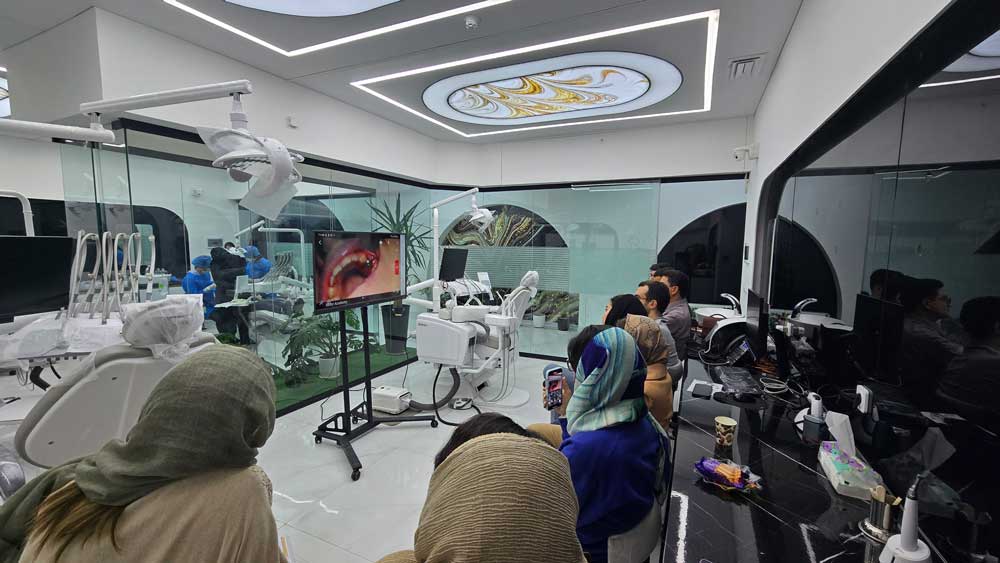
Australia has become one of the most attractive destinations for international dentists looking for professional growth, financial stability, and a better long-term lifestyle. Every year, thousands of dentists begin researching the ADC pathway, hoping to continue their careers within the Australian healthcare system.
At first glance, the process may appear straightforward: pass the exams, obtain registration, and start working. But in reality, dentist migration to Australia is a long and highly structured journey that requires planning, consistency, financial preparation, and patience.
Many candidates fail not because they lack knowledge or clinical ability, but because they underestimate the complexity of the process. Some rely on scattered information from social media, some begin preparation without a clear strategy, and others focus only on passing exams without understanding the bigger migration pathway.
The ADC process includes several major stages, including Initial Assessment, English language requirements, the Written examination, the Practical examination, registration procedures, and eventually entering the Australian workforce.
Understanding how these stages connect together is extremely important for any dentist planning migration to Australia.
Why Australia Has Become a Popular Destination for Dentists
For many international dentists, Australia represents more than simply a new workplace. It represents a completely different professional and personal future.
Dentistry in Australia is generally considered a respected and financially stable profession. The healthcare system is modern, patient expectations are high, and dental clinics often operate with advanced equipment and structured professional standards.
At the same time, Australia is attractive because of its overall lifestyle. Many dentists are drawn to:
- Better work-life balance
- Cleaner and safer cities
- Stronger healthcare infrastructure
- Long-term career stability
- Better opportunities for family life
Unlike some countries where dentists experience extremely long working hours and unstable professional conditions, Australia often offers a more balanced environment.
However, it is important to understand that these opportunities come with challenges as well. The pathway is competitive, the exams are demanding, and adaptation to a new healthcare culture takes time.

Understanding the ADC Pathway
The Australian Dental Council pathway is the official process most internationally trained dentists must complete before practicing dentistry in Australia.
Many candidates initially think the ADC is simply a written exam. In reality, the pathway is much broader and evaluates whether international dentists meet Australian professional standards in terms of:
- Clinical knowledge
- Communication ability
- Practical skills
- Professional judgment
- Patient safety standards
The ADC pathway generally includes:
- Initial Assessment
- English language requirements
- ADC Written Examination
- ADC Practical Examination
- Registration procedures
Each stage requires separate preparation and presents different types of pressure.
One of the biggest mistakes candidates make is focusing only on the next exam instead of understanding the pathway as a complete long-term process.
Dentists who understand the full structure early usually prepare more effectively and experience less confusion throughout the journey.
Initial Assessment: The Beginning of the Journey
The Initial Assessment is the first official step in the ADC pathway.
At this stage, the Australian Dental Council evaluates a candidate’s educational qualifications and verifies whether they meet eligibility requirements.
Although this part may seem administrative, it is often more stressful than candidates expect. Preparing documents incorrectly or misunderstanding ADC requirements can lead to delays and unnecessary frustration.
The process usually includes:
- Identity verification
- Academic documentation
- Translation and certification of documents
- Graduation proof
- Educational history review
For many dentists, this stage becomes the first realization that dentist migration to Australia requires careful organization and attention to detail from the very beginning.
Why English Matters More Than Most Candidates Think
Strong English communication is one of the most underestimated parts of the ADC pathway.
Many international dentists focus entirely on clinical subjects and postpone English preparation until later stages. However, weak English skills eventually create difficulties in almost every part of the process.
English affects:
- Reading speed
- Understanding clinical scenarios
- Time management during exams
- Confidence during communication
- Professional performance inside clinics
Dentists in Australia are expected to communicate clearly with patients regarding treatment plans, risks, alternatives, costs, and long-term care decisions.
For this reason, candidates usually complete approved English language exams such as IELTS or OET before registration.
A common question among candidates is whether IELTS or OET is easier. In reality, the answer depends on the candidate’s communication style, English background, and familiarity with healthcare language.
Regardless of the exam selected, candidates who improve their English gradually throughout the ADC pathway usually perform much better later.
The ADC Written Examination
The Written examination is one of the most important stages of the ADC pathway.
This exam evaluates far more than memorization. Candidates are expected to demonstrate:
- Clinical reasoning
- Decision-making ability
- Treatment planning knowledge
- Understanding of Australian dental standards
- Time management under pressure
One of the most common mistakes candidates make is studying without structure.
Many dentists spend months collecting resources, watching videos, and reading notes without following a clear preparation strategy. Eventually they become overwhelmed by the amount of information and lose confidence.
Successful candidates usually approach Written preparation systematically. They focus on:
- Consistency
- Understanding concepts deeply
- Solving practice questions
- Reviewing mistakes carefully
- Building long-term study routines
The Written exam is mentally demanding not because the information is impossible, but because the preparation process requires discipline and structure over a long period of time.

Why the Practical Examination Feels So Difficult
For many dentists, the Practical exam becomes the most stressful part of the ADC process.
Unlike the Written exam, the Practical stage evaluates real clinical performance under strict standards and time pressure.
Candidates are assessed on:
- Manual precision
- Clinical workflow
- Infection control
- Treatment quality
- Time management
- Professional consistency
Many experienced dentists are surprised by how demanding this stage feels. The challenge is often not lack of clinical experience, but adapting to ADC expectations and working under exam conditions.
Some candidates assume years of clinical work automatically prepare them for the Practical exam. Unfortunately, this is not always true.
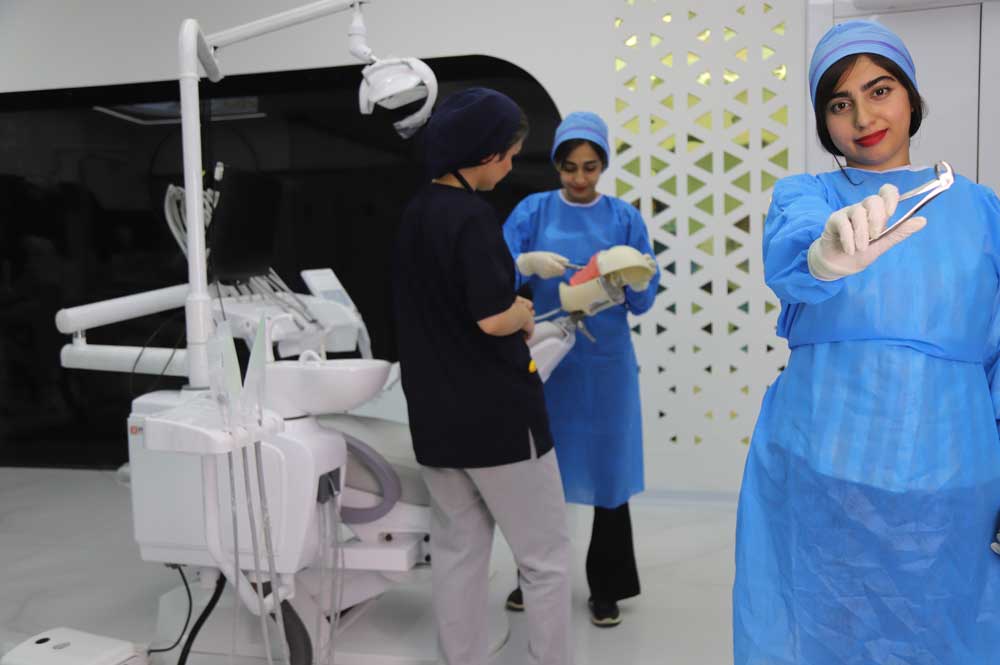
The ADC Practical exam requires structured preparation, repeated practice, simulation-based training, and detailed feedback.
Candidates who delay Practical preparation until the last moment often experience severe stress later.
The Psychological Pressure of the ADC Pathway
One aspect of dentist migration to Australia that is rarely discussed openly is the psychological pressure involved.
The ADC pathway can become emotionally exhausting because candidates are often balancing:
- Financial pressure
- Family expectations
- Fear of failure
- Long study periods
- Career uncertainty
- Language challenges
Many dentists experience burnout during preparation, especially when they follow unrealistic study schedules or compare themselves constantly to other candidates online.
Some candidates begin preparation highly motivated but eventually lose confidence after repeated setbacks or slow progress.
This is why mental resilience becomes just as important as academic preparation.
Successful candidates are often not the smartest or fastest learners. In many cases, they are simply the people who remain consistent and emotionally stable throughout the long process.
Financial Reality of Dentist Migration to Australia
Many candidates underestimate how expensive the ADC pathway can become.
The financial side of dentist migration to Australia includes much more than official exam fees.
Candidates often need to budget for:
- English exams
- Initial Assessment fees
- Study materials
- Preparation courses
- Practical training
- Travel expenses
- Accommodation
- Visa-related costs
Poor financial planning can create enormous stress later.
Some candidates fail exams not because of lack of ability, but because financial pressure affects concentration and emotional stability during preparation.
This is why understanding the total pathway cost early is extremely important.

Why Structured Study Plans Matter
One of the biggest reasons candidates struggle is lack of structure.
Many dentists study extremely hard but inefficiently. They jump randomly between resources, constantly change study methods, or focus on low-yield topics.
Without a clear strategy, preparation becomes mentally exhausting.
A structured study plan helps candidates:
- Stay organized
- Reduce stress
- Track progress
- Avoid burnout
- Use study time more effectively
The ADC pathway is too large and demanding to approach randomly.
Candidates who follow long-term, sustainable preparation routines usually perform much better than those relying on short bursts of intense studying.
Regional Australia and Career Opportunities
Many international dentists initially focus only on major cities like Sydney or Melbourne. However, regional Australia has become increasingly important within the Australian dental workforce.
Many regional communities continue to experience shortages of dental professionals, creating strong opportunities for international dentists.
Working regionally may provide:
- Faster employment opportunities
- Lower competition
- Better work-life balance
- Lower living costs
- Strong migration pathways
Some dentists even discover that regional life offers a more comfortable and financially stable lifestyle than highly expensive metropolitan areas.
For many international candidates, regional Australia becomes one of the smartest pathways into the Australian healthcare system.
Life After Passing ADC
Passing ADC is not the end of the journey—it is the beginning of adaptation to Australian dentistry.
Many international dentists are surprised by how different the work culture feels after migration.
Working as a dentist in Australia often requires adaptation to:
- New communication styles
- Different patient expectations
- Team-based healthcare environments
- Detailed documentation systems
- Professional legal standards
Patients in Australia are usually highly involved in treatment decisions. Communication, professionalism, and transparency are considered essential parts of clinical care.
Over time, many international dentists adapt successfully and build stable, rewarding careers.
Many eventually experience:
- Better financial security
- More balanced lifestyles
- Greater professional confidence
- Long-term career growth
- Better opportunities for their families
The first years may feel challenging, but many dentists later describe the experience as life-changing in a positive way.

Common Misconceptions About Dentist Migration to Australia
There are many unrealistic expectations surrounding the ADC pathway.
Some candidates believe:
- Passing the exams guarantees immediate success
- Dentists automatically earn extremely high incomes immediately
- Life becomes stress-free after migration
- Finding work is easy everywhere
The reality is much more balanced.
Australia absolutely offers excellent opportunities, but long-term success still requires:
- Adaptation
- Professional development
- Communication skills
- Patience
- Financial management
- Emotional resilience
Dentists who approach migration realistically usually adapt much more successfully than those expecting instant results.
Is Dentist Migration to Australia Worth It?
For many international dentists, the answer is yes—but not because the process is easy.
The pathway is difficult, expensive, and emotionally demanding. However, many dentists still choose Australia because of the long-term opportunities available afterward.
For many professionals, successful migration eventually leads to:
- Career stability
- Stronger income potential
- Better work-life balance
- Safer professional environments
- Long-term family security
The pathway requires sacrifice, but many dentists ultimately view it as one of the most valuable investments they made in their careers and future lives.
Conclusion
Dentist migration to Australia is much more than passing exams. It is a complete professional and personal transition that requires long-term planning, discipline, patience, and adaptability.
The ADC pathway includes several important stages, from Initial Assessment and English language preparation to the Written exam, Practical exam, registration, and migration planning. Each stage requires a clear understanding of the process and a realistic preparation strategy.
Candidates who approach the journey strategically usually experience less confusion, better progress, and stronger long-term results. Although the process can feel overwhelming at times, many international dentists eventually build successful careers and stable lifestyles in Australia after completing the pathway.
Understanding the process realistically from the beginning is one of the most important steps toward success. The Australian Dental Council pathway is not simply about becoming eligible to work; it is about building a completely new professional future inside one of the world’s most structured healthcare systems.
Start Your Dentist Migration Pathway with Mehr Dental Academy
If you are planning dentist migration to Australia and want to move through the ADC pathway with more clarity, Mehr Dental Academy can help you start with a structured and realistic roadmap.
At Mehr Dental Academy, dentists receive support for different stages of the process, including initial consultation, ADC assessment guidance, Written and Practical exam preparation, mentorship, visa-related guidance, document translation, and registration support.
Instead of moving through the pathway with scattered information and uncertainty, you can begin with a clear plan designed specifically for dentists.
Website: mehrdentalacademy.com
Phone: +98 911 343 9141
Phone: +98 911 713 2616
Instagram: @Mehr.Dental.academy